

date crystals
(phoenix dactylifera)
Date crystals, also known as date sugar or dried date granules, are made from whole, dehydrated dates that have been finely ground. Because they come from the entire fruit, date crystals retain the natural nutrients, fiber, and antioxidants found in dates, making them a popular unrefined sweetener for healthier cooking and baking
Natural Source of Antioxidants: Date crystals contain polyphenols and other antioxidants that help combat oxidative stress in the body. These compounds support cellular health, reduce inflammation, and may contribute to lowering the risk of chronic diseases associated with free-radical damage
Rich in Dietary Fiber: Unlike refined sugar, date crystals provide dietary fiber because they are made from whole fruit. This fiber helps support healthy digestion, promotes regularity, and can aid in maintaining stable blood sugar levels by slowing glucose absorption
Supports Heart Health: Dates are naturally high in potassium and magnesium, minerals known to help regulate blood pressure and support overall cardiovascular function. The antioxidant content of date crystals may also contribute to reducing inflammation linked to heart disease
Improved Metabolic Balance: Date crystals contain natural sugars along with fiber, making them a good source of steady energy without the sharp spikes and crashes associated with refined sweeteners. This balanced release of glucose supports stable energy levels and may help reduce cravings
Naturally Derived & Minimally Processed: Because date crystals are made simply by drying and grinding whole dates, they retain the flavors and nutrients of the original fruit. Their minimal processing makes them an appealing option for people seeking cleaner, whole-food ingredients
While date crystals provide a healthier alternative to refined sugar, they should still be consumed in moderation as part of a balanced diet. Although they offer nutrients and fiber, they are still a concentrated source of natural sugars. Individuals with specific dietary concerns, especially those managing blood sugar, should consult a healthcare professional before making significant changes to their sweetener choices
collagen
Sources and Formation
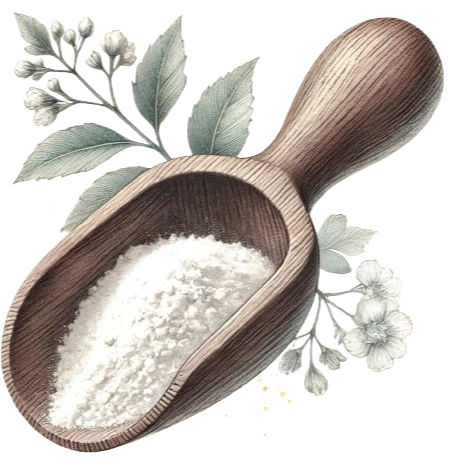
Collagen is the most abundant protein in the human body, making up about one-third of its protein composition. It is primarily found in connective tissues such as skin, bones, tendons, ligaments, and cartilage. Collagen is synthesized by fibroblasts, specialized cells in the connective tissues, through a complex process that involves the combination of amino acids, primarily glycine, proline, and hydroxyproline. Its production can be supported by a diet rich in vitamin C, proline and glycine, found in foods like citrus fruits, bone broth, and lean meats.
Health Benefits
Collagen offers numerous health benefits, supported by scientific research and traditional use:
Skin Health: Collagen is essential for maintaining skin elasticity, hydration, and overall appearance. As we age, collagen production decreases, leading to wrinkles and sagging skin. Supplementing with collagen peptides can improve skin elasticity, hydration, and reduce the depth of wrinkles.
Joint Health: Collagen provides structural support to joints, tendons, and ligaments. Studies have shown that collagen supplements can reduce joint pain and symptoms of osteoarthritis by maintaining cartilage integrity and reducing inflammation.
Bone Health: Collagen is a key component of bones, providing them with strength and structure. Supplementation can help increase bone mineral density and support overall bone health, potentially reducing the risk of osteoporosis.
Muscle Mass: Collagen contributes to muscle tissue. Supplementation, particularly in combination with resistance training, can help increase muscle mass and strength, beneficial for aging individuals.
Gut Health: Collagen supports the gut lining and can aid in improving digestive health. It may help in conditions like leaky gut syndrome by strengthening the gut barrier.
Collagen is a vital protein with diverse health benefits, ranging from improved skin and joint health to enhanced bone density and muscle mass. While the body’s natural collagen production declines with age, supplementation and a collagen-supporting diet can help maintain its levels, promoting overall health and well-being.

Limitless Superfood Coffee