

winter spices
The following spices have long been studied for their bioactive compounds, many of which offer measurable benefits for metabolic health, inflammation regulation, immune function, and oxidative stress. Rich in polyphenols, essential oils, and natural anti-inflammatory agents, they work through pathways that support healthy blood sugar responses, digestive efficiency, and overall cellular protection
Cinnamon: Naturally high in polyphenols and cinnamaldehyde, cinnamon has been shown to support healthy insulin sensitivity, help stabilize post-meal blood sugar, and promote circulation
Ginger: Containing gingerols and shogaols, ginger demonstrates anti-inflammatory, antioxidant, and digestive-supportive properties, and may help modulate immune activity
Cardamom: Rich in volatile oils like cineole, cardamom supports detoxification pathways, may help reduce oxidative stress, and has been observed to promote calm through its effect on the nervous system
Clove: One of the most antioxidant-dense spices, clove contains eugenol, a compound linked to antimicrobial, anti-inflammatory, and immune-supportive activity
Nutmeg: Nutmeg’s active constituents such as myristicin and macelignan have been studied for their potential mood-supportive, sleep-promoting, and antioxidant properties
Incorporating these spices introduces a concentrated mix of bioactive plant compounds that support metabolic health, immune resilience, and overall physiological balance, natural tools for strengthening the body’s daily functions. Their combined antioxidant load helps counteract oxidative stress, while their anti-inflammatory and antimicrobial properties contribute to a more robust internal environment
collagen
Sources and Formation
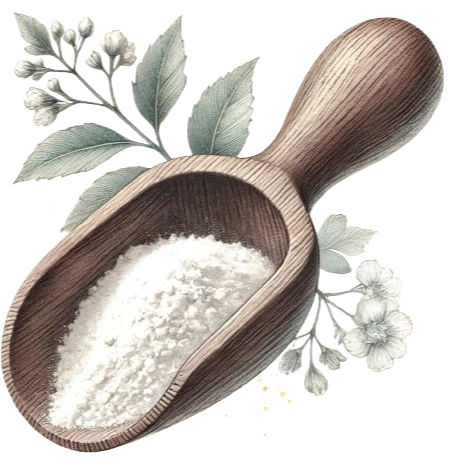
Collagen is the most abundant protein in the human body, making up about one-third of its protein composition. It is primarily found in connective tissues such as skin, bones, tendons, ligaments, and cartilage. Collagen is synthesized by fibroblasts, specialized cells in the connective tissues, through a complex process that involves the combination of amino acids, primarily glycine, proline, and hydroxyproline. Its production can be supported by a diet rich in vitamin C, proline and glycine, found in foods like citrus fruits, bone broth, and lean meats.
Health Benefits
Collagen offers numerous health benefits, supported by scientific research and traditional use:
Skin Health: Collagen is essential for maintaining skin elasticity, hydration, and overall appearance. As we age, collagen production decreases, leading to wrinkles and sagging skin. Supplementing with collagen peptides can improve skin elasticity, hydration, and reduce the depth of wrinkles.
Joint Health: Collagen provides structural support to joints, tendons, and ligaments. Studies have shown that collagen supplements can reduce joint pain and symptoms of osteoarthritis by maintaining cartilage integrity and reducing inflammation.
Bone Health: Collagen is a key component of bones, providing them with strength and structure. Supplementation can help increase bone mineral density and support overall bone health, potentially reducing the risk of osteoporosis.
Muscle Mass: Collagen contributes to muscle tissue. Supplementation, particularly in combination with resistance training, can help increase muscle mass and strength, beneficial for aging individuals.
Gut Health: Collagen supports the gut lining and can aid in improving digestive health. It may help in conditions like leaky gut syndrome by strengthening the gut barrier.
Collagen is a vital protein with diverse health benefits, ranging from improved skin and joint health to enhanced bone density and muscle mass. While the body’s natural collagen production declines with age, supplementation and a collagen-supporting diet can help maintain its levels, promoting overall health and well-being.

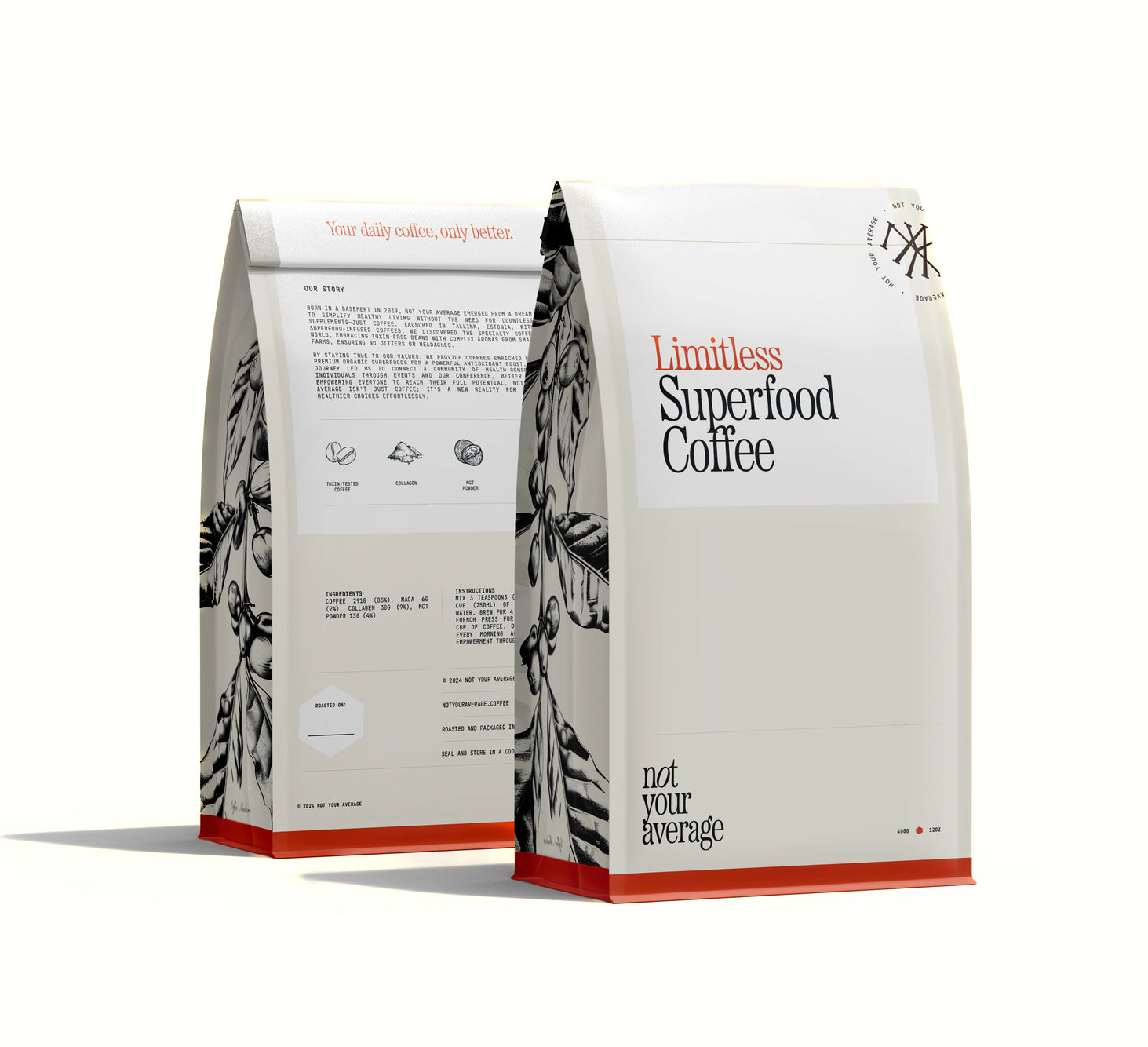
Limitless Superfood Coffee